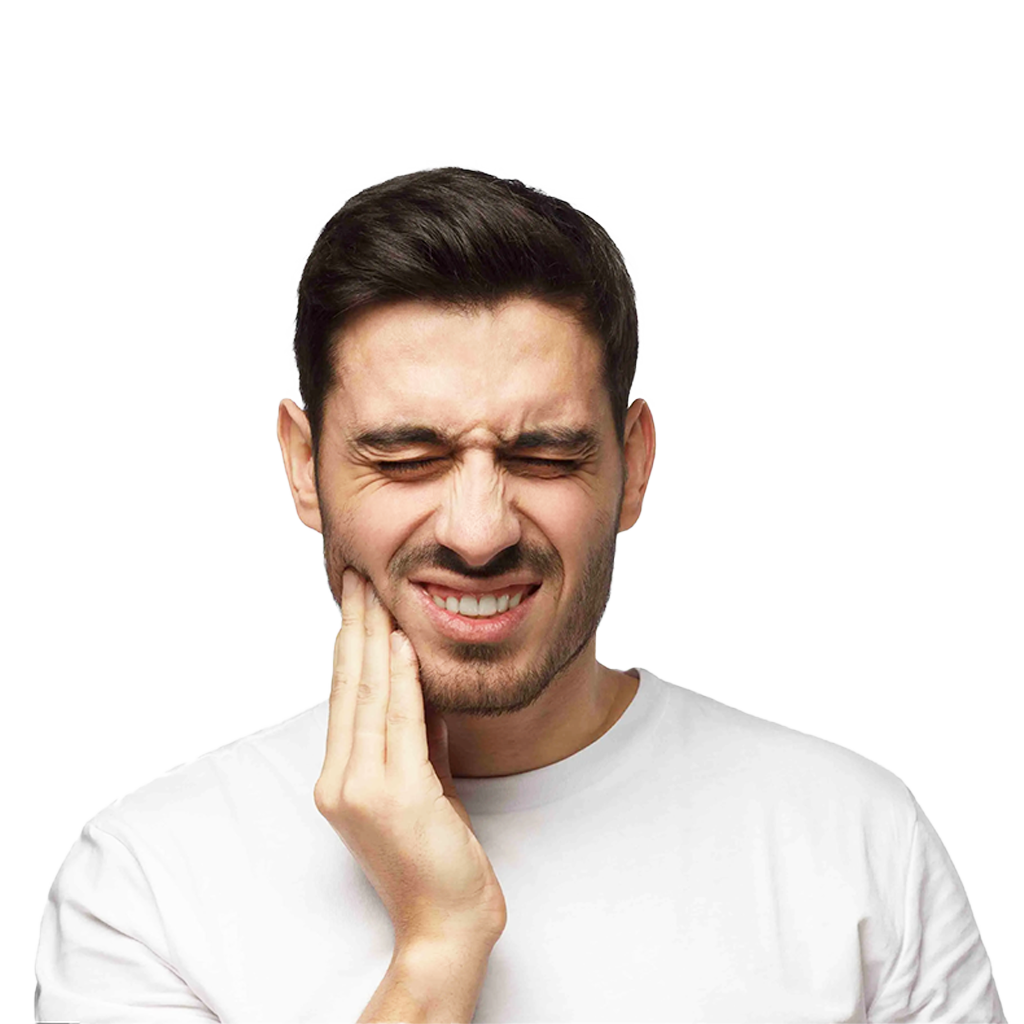
Enamel Erosion:
Enamel erosion is one of the main causes of sensitivity. When the enamel (the outer layer of the tooth) wears away, the underlying dentin becomes exposed, increasing sensitivity.
Gum Recession:
Receding gums can expose the tooth roots, making them more sensitive to stimuli such as hot or cold temperatures.
Overbrushing:
Brushing teeth too hard or using a hard-bristled toothbrush can lead to enamel erosion and increased sensitivity.
Old Dental Fillings:
Worn-out or broken fillings can contribute to heightened tooth sensitivity.
Dietary Changes:
Acidic foods and drinks, such as citrus fruits and soft drinks, can erode enamel and worsen sensitivity.
Effective Treatments for Tooth Sensitivity
Use Toothpaste for Sensitive Teeth:
Toothpastes designed for sensitive teeth contain ingredients that help strengthen enamel and gradually reduce sensitivity.
Visit the Dentist:
If the sensitivity is severe, a dentist can apply a special coating or treatment to the teeth to help reduce discomfort.
Avoid Acidic Foods and Beverages:
Try to limit the intake of acidic foods and very hot or cold drinks, especially if your teeth are sensitive.
Use a Soft-Bristled Toothbrush:
A soft-bristled toothbrush helps minimize enamel wear and improves overall dental health.